
Open 5 days a Week

Contact Us At (604) 385-0606

Menu

  • $
    Home
  • !
    About Us
  • !
    Our Team
  • !
    Patient Financing
  • !
    Services
  • !
    Smile Impact
  • !
    Smile Stories
  • !
    Community
  • !
    Referrals
  • !
    Contact Us

Need help?

Oral surgery · White Rock, BC

Wisdom Teeth Removal in White Rock, BC

Wisdom teeth are the last molars to develop, usually between the ages of 17 and 25, and they only need removing when there is a reason to remove them. That reason might be impaction, repeated infection around a partly erupted tooth, decay that cannot be cleaned or restored, damage to the tooth in front, or a cyst forming around an unerupted crown. At Apple Dental Specialists the decision is made from symptoms, examination and imaging — not from age, and not by default.

Surgical care led by Dr. Ali Mehdi, with advanced surgical expertise
CBCT imaging where the anatomy needs to be seen, not estimated
Sedation options discussed and quoted before the day, not on the day

When a wisdom tooth actually needs to come out

A wisdom tooth that has erupted fully, bites against an opposing tooth and can be kept clean is doing no harm and is usually left alone. Removal is considered when the tooth is impacted against bone or against the molar in front, when the gum over a partly erupted tooth becomes repeatedly inflamed and infected, when decay has reached a tooth that cannot realistically be restored or cleaned, when the second molar is being damaged where the two meet, or when imaging shows a cyst or other change around an unerupted crown. Removal may also be planned before orthodontic treatment or before a procedure that would be more difficult later. Where none of these apply, monitoring is a legitimate recommendation and we will say so.

What the imaging is looking for

A panoramic radiograph shows how the tooth is angled, how far it has erupted, the shape and number of roots, and how close the lower roots appear to the inferior alveolar nerve canal. Where that relationship looks close, or where the roots appear to wrap around the canal, a CBCT scan is used to see the anatomy in three dimensions rather than estimate it from a flat image. In the upper jaw the same applies to the sinus floor. This is not imaging for its own sake: it changes the surgical approach, the sectioning of the tooth, and what you are told about the risks before you consent.

How the removal is carried out

The procedure is performed under local anaesthetic, with IV sedation available where it suits the case or the patient. Once the area is fully numb, access is made to the tooth, which for an impacted tooth usually means reflecting the gum and removing a small amount of overlying bone. The tooth is often divided into sections so that each part can be released along its own path, which is gentler on the surrounding bone than trying to deliver a large tooth whole. The site is then cleaned and closed with sutures. A straightforward upper wisdom tooth may take a few minutes; a deeply impacted lower one takes considerably longer, and the appointment is booked with that in mind.

What recovery actually looks like

Expect swelling to build for the first two to three days before it starts to settle, along with jaw stiffness that can make it awkward to open wide, and sometimes bruising along the jawline. Most patients take a couple of days away from work and are comfortable on soft food for around a week, though lower impacted teeth generally take longer than upper ones. Ice against the cheek helps in the first 24 hours and gentle warmth helps after that. Sutures either dissolve or are removed at a short review. The single most useful thing you can do is protect the blood clot in the socket during the first day: no vigorous rinsing, no smoking, no straws, and nothing strenuous.

Dry socket, and the risks worth understanding

Dry socket occurs when the clot in the socket is lost or breaks down early, leaving bone exposed. It typically announces itself as a deep, throbbing ache starting around day three that radiates towards the ear and is not relieved by ordinary painkillers. It is more common after lower extractions and considerably more common in smokers. It is treatable — the socket is irrigated and dressed, usually with quick relief — so it is worth calling rather than enduring. Temporary altered sensation in the lip, chin or tongue is an uncommon risk with lower wisdom teeth and is one of the reasons the nerve relationship is imaged before surgery rather than discovered during it. These risks are discussed with you individually, in the context of your own scan, before you consent.

Signs worth getting checked

Recurrent swelling or soreness at the back of the jaw, a bad taste or discharge around a partly erupted tooth, difficulty opening, food repeatedly packing behind the last molar, or pain that comes and goes over months. Any of these is worth assessing before it becomes an emergency appointment.

  • Impacted wisdom teeth
  • Partly erupted teeth
  • Recurrent pericoronitis
  • Decay in the last molar
  • CBCT nerve assessment
  • Sedation options
  • Single or multiple removal

Not sure whether yours need removing?

A consultation with imaging gives you a straight answer — including the answer that they can be left alone and monitored, which is the right recommendation more often than people expect.

Wisdom Teeth Removal Pricing

All prices in CAD · starting prices

Book a Consultation See full oral surgery pricing View Patient Financing 4.8255 Google reviews (opens in a new tab)

All prices are starting prices and may vary depending on case complexity, treatment requirements, materials and other clinical factors. Final treatment costs are confirmed following consultation and treatment planning. Prices effective September 2026.

What changes the figure

Wisdom teeth removal is priced from the current BC general dentist fee guide, and the code that applies depends on what the tooth is doing rather than on which tooth it is. Your own figure is confirmed in writing after examination and imaging.

How the tooth is impacted

The fee guide distinguishes between an erupted tooth, one covered by soft tissue, one partly covered by bone and one fully encased in bone. Those are four different procedures and four different codes.

How many are removed at once

Removing several in one appointment is usually more efficient than separating them across visits, and it means one recovery period rather than several. Whether that is advisable depends on the case and on how you would prefer to manage the time off.

Sedation

Sedation is assessed, consented and quoted separately from the surgery itself, and it is confirmed with you in advance rather than raised at the appointment.

Imaging

A panoramic radiograph is standard. A CBCT scan is added where the roots sit close to the nerve canal or the sinus and the relationship needs to be seen in three dimensions.

Insurance and payment options

Surgical procedures are more commonly covered by dental plans than elective treatment, though the proportion varies. We can provide a written treatment plan with procedure codes so you can confirm your own coverage before deciding, and patient financing is available.

Your surgical team

Dr. Ali Mehdi

Dr. Ali Mehdi

Oral Surgery and Implants

Dr. Ali Mehdi brings over 15 years of experience in oral and implant surgery, with a focus on advanced implant dentistry and complex full-mouth rehabilitation. From routine oral surgery to advanced bone grafting and full-arch implant treatment, his approach combines surgical experience, digital technology, and individualized care.

View Profile


Dr. Hamidreza Shirbani

Dr. Hamidreza Shirbani

General Dentist │ MSc in Periodontics

General dentist with a Master of Science in Periodontics, prior Assistant Professor experience and clinical interests in periodontal treatment, implants and family dentistry.

View Profile
Dr. Viprat Joshi

Dr. Viprat Joshi

Dentist

Dentist with a Master's degree completed in Australia, focused on ethical, personalized care and helping patients make informed decisions about treatment.

View Profile

Frequently asked questions

No. A wisdom tooth that has erupted fully, bites properly and can be kept clean is usually left in place and monitored. Removal is recommended when there is a clinical reason, such as impaction, recurrent infection, decay that cannot be restored, or damage to the neighbouring molar.

Wisdom teeth removal is priced from the current BC general dentist fee guide. The applicable code depends on whether the tooth is erupted, covered by soft tissue, partly bony or fully bony impacted. Your figure is confirmed in writing after examination and imaging.

The procedure is carried out under local anaesthetic and is not painful, though you will feel pressure and movement. Afterwards, expect soreness and swelling that build over two to three days and then settle, managed with the pain relief advised for you.

Most patients take a couple of days away from work and stay on soft food for around a week. Lower impacted teeth generally take longer to settle than upper ones. Jaw stiffness and bruising along the jawline are common and temporary.

Dry socket occurs when the blood clot in the socket is lost or breaks down early, leaving bone exposed. It usually presents as a deep throbbing ache beginning around the third day, often radiating towards the ear, and not relieved by ordinary painkillers. It is treatable in a short appointment, so call rather than wait it out.

Often yes, and it means a single recovery period rather than several. Whether it is advisable in your case depends on the position of the teeth, your medical history and whether sedation is planned. It is discussed at the consultation.

Age alone does not rule out removal. Roots are generally fully formed and bone is denser in older patients, which can make the procedure more involved and healing a little slower, and that is factored into planning rather than treated as a barrier.

Most removals are completed under local anaesthetic. IV sedation with a specialist anesthesiologist can be arranged for longer surgical appointments, for deeply impacted teeth or for significant anxiety, and it is assessed and quoted separately in advance.

Surgical extractions are more commonly covered than elective treatment, though the proportion varies between plans. We can provide a written treatment plan with procedure codes so you can confirm your own coverage before deciding, and patient financing is available.

Visit us in White Rock

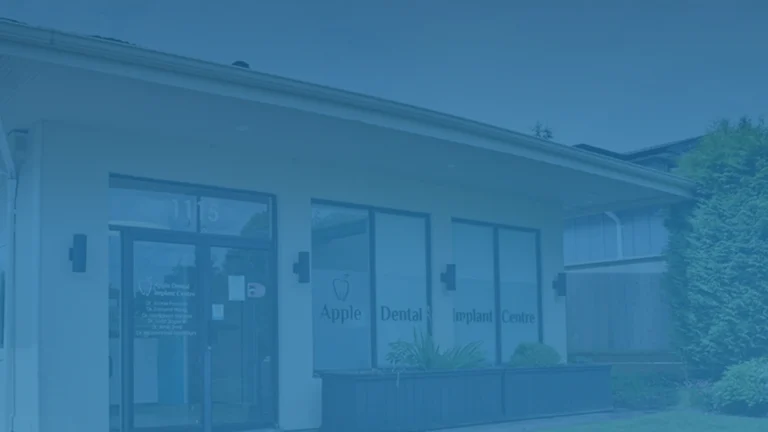
Apple Dental Specialists
1115 Stayte Rd
White Rock, BC V4B 4Y9

Patients travel to us from White Rock, South Surrey, Surrey, Langley, Delta and across the Fraser Valley, and we accept surgical referrals from dentists throughout the Lower Mainland. Our team also speaks Hindi, Punjabi and Urdu.

Opening days and hours

  • Monday – Friday9:00 am – 5:00 pm
  • SaturdayClosed
  • SundayClosed
4.8255 Google reviews (opens in a new tab)

Get a straight answer on your wisdom teeth

Book a consultation at Apple Dental Specialists in White Rock. We will examine and image the teeth, tell you whether removal is genuinely indicated, and confirm the procedure and cost in writing before anything is scheduled.

4.8255 Google reviews (opens in a new tab)