

Open 5 days a Week

Contact Us At (604) 385-0606

Menu

  • $
    Home
  • !
    About Us
  • !
    Our Team
  • !
    Patient Financing
  • !
    Services
  • !
    Dental Implants
  • !
    Oral Surgery
  • !
    Periodontal Care
  • !
    Sedation Dentistry
  • !
    Smile Impact
  • !
    Smile Stories
  • !
    Community
  • !
    Referrals
  • !
    Contact Us

Need help?

Periodontal care · White Rock, BC

Pocket Reduction Surgery in White Rock, BC

Pocket reduction is periodontal surgery used where deep pockets remain inflamed after non-surgical treatment, or are too deep to be cleaned thoroughly from above. It provides direct access to root surfaces and to the bone, and it reduces pocket depth so that the site becomes maintainable afterwards. It is directed at specific sites identified by reassessment, not at the whole mouth.

Full periodontal charting, so treatment is based on measurements rather than a look
Non-surgical treatment first; surgery only where it is genuinely needed
Gum treatment coordinated with your implant and restorative care in one practice

Why some pockets do not respond

Instruments worked into a pocket from above are effective to a limited depth, and beyond roughly five to six millimetres their reliability falls away — particularly where the root surface is grooved, where roots divide, or where the defect in the bone has an awkward shape. Deposits left on a root surface keep the inflammation going regardless of how well you clean at home, because you cannot reach them either. Reassessment after non-surgical treatment is what identifies these sites: they are the ones where the numbers have not improved and bleeding on probing persists. Surgery is the answer to that specific problem, which is why it comes second rather than first.

What the procedure involves

Under local anaesthetic, the gum is carefully lifted away from the teeth and bone in the affected area so the root surfaces and the bone defect are directly visible. Deposits and inflamed tissue are removed thoroughly under direct vision rather than by feel. Where the bone has an irregular contour that would trap plaque, it may be reshaped; where a defect has a form that lends itself to it, grafting or regenerative material may be placed instead. The gum is then repositioned — often slightly lower than it was — and sutured so that it heals against the tooth at a depth that can actually be maintained. The appointment typically covers one area rather than the whole mouth.

The trade-off worth understanding first

Reducing pocket depth usually means the gum sits lower against the tooth afterwards. More root surface is therefore visible, teeth can look longer, and spaces between them can be more noticeable — most obviously if the treated area is at the front. Sensitivity at the newly exposed root is common for a period. This is the recognised trade-off of the procedure: you are exchanging a deep pocket that cannot be cleaned and will continue to destroy bone for a shallower site that can be maintained, at some cost in appearance. It is discussed explicitly before you consent, because being surprised by it afterwards is avoidable and unfair.

Healing and the first two weeks

Expect some swelling and discomfort for the first few days, managed with the pain relief advised for you. The surgical area must not be brushed conventionally while it heals; you will usually be given an antimicrobial rinse and specific instructions for keeping the rest of the mouth clean without disturbing the site. Sutures are removed or dissolve within a week or two. Eat soft food and chew on the other side. Most people take a day or two off if the treated area is extensive, and normal brushing resumes at the site only once you are told it is safe to do so.

What determines whether it holds

Surgery makes a site maintainable; it does not make it self-maintaining. The result is held by daily cleaning of the newly accessible root surfaces — which will feel different from before, and usually needs interdental brushes rather than floss — and by maintenance appointments at three to four month intervals with charting repeated each time. Smoking materially reduces the success of periodontal surgery specifically, more so than of non-surgical treatment. Where someone is unwilling or unable to maintain the site afterwards, surgery is often not the right recommendation, and we will say so rather than proceed.

When it is considered

Pockets that remain deep and bleeding after scaling and root planing, sites where the root anatomy or a bone defect prevents thorough cleaning from above, involvement between the roots of molars, and areas where bone defects have a shape suitable for regenerative treatment.

  • Non-responding sites
  • Deep residual pockets
  • Bone recontouring
  • Regenerative grafting
  • Furcation involvement
  • Local anaesthetic
  • Sedation available
  • Three-month maintenance

Told that non-surgical treatment has not been enough?

A reassessment appointment identifies exactly which sites are still active, so surgery is directed where it is needed rather than applied broadly.

Pocket Reduction Pricing

All prices in CAD · starting prices

Where indicated

Regenerative or graft material Quoted with the procedure
Book a Consultation See full periodontal pricing View Patient Financing 4.8259 Google reviews (opens in a new tab)

All prices are starting prices and may vary depending on case complexity, treatment requirements, materials and other clinical factors. Final treatment costs are confirmed following consultation and treatment planning. Prices effective September 2026.

What changes the figure

Pocket reduction is priced from the current BC general dentist fee guide according to the number of teeth and areas treated. Because surgery follows reassessment, the quote reflects the sites that actually need it rather than an estimate made in advance.

How many sites are treated

Surgery is quoted by the area involved. One quadrant and several quadrants are different procedures, and treatment is often staged across appointments in any case.

Whether grafting is used

Where a bone defect has a shape suitable for regenerative treatment, graft or membrane material is quoted alongside the surgery. Not every defect is suitable, and this is determined at surgery as well as beforehand.

Sedation

Most pocket reduction is carried out under local anaesthetic. Where sedation is wanted or indicated it is assessed and quoted separately.

Insurance and payment options

Periodontal treatment is covered by most dental plans, though many apply an annual maximum that a full course of treatment can exhaust. We can provide a written treatment plan with procedure codes so you can confirm your own coverage and, where it helps, stage treatment across benefit years. Patient financing is available.

Your treating team

Dr. Ali Mehdi

Dr. Ali Mehdi

Oral Surgery and Implants

Dr. Ali Mehdi brings over 15 years of experience in oral and implant surgery, with a focus on advanced implant dentistry and complex full-mouth rehabilitation. From routine oral surgery to advanced bone grafting and full-arch implant treatment, his approach combines surgical experience, digital technology, and individualized care.

View Profile
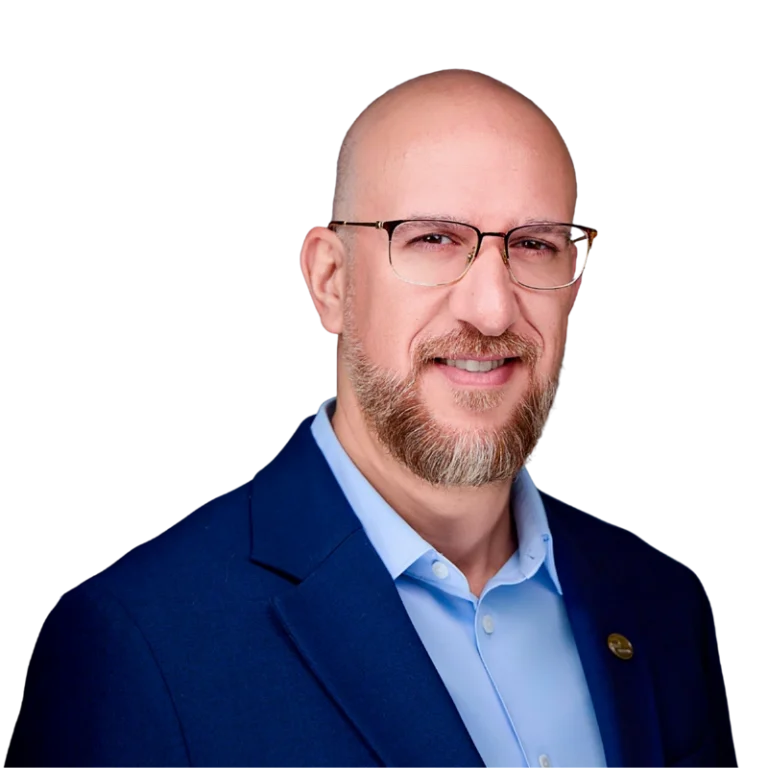

Dr. Ahmed Ballo

Dr. Ahmed Ballo

BDS, EDA, DABOI, MSc, Cert. Prostho, PhD

Board-Certified Specialist in Prosthodontics in Canada and Diplomate of the American Board of Oral Implantology, with extensive experience in prosthodontics and implant dentistry.

View Profile
Dr. Hamidreza Shirbani

Dr. Hamidreza Shirbani

General Dentist │ MSc in Periodontics

General dentist with a Master of Science in Periodontics, prior Assistant Professor experience and clinical interests in periodontal treatment, implants and family dentistry.

View Profile
Dr. Viprat Joshi

Dr. Viprat Joshi

Dentist

Dentist with a Master's degree completed in Australia, focused on ethical, personalized care and helping patients make informed decisions about treatment.

View Profile

Frequently asked questions

It is priced from the current BC general dentist fee guide according to the number of teeth and areas treated, with any regenerative or graft material quoted alongside. Because surgery follows reassessment, the quote covers the sites that actually need it.

Usually, to some degree. Reducing pocket depth means the gum sits lower against the tooth, exposing more root surface. This is the recognised trade-off of the procedure and is discussed explicitly before you consent, particularly where the area treated is visible when you smile.

The procedure is carried out under local anaesthetic and is not painful. Swelling and discomfort for the first few days afterwards are expected and are managed with the pain relief advised for you.

Sutures dissolve or are removed within one to two weeks, and the initial discomfort settles within a few days. The tissue continues to mature over the following weeks, and normal brushing at the site resumes only when you are told it is safe.

Because most sites respond to non-surgical treatment, and operating on them would be unnecessary. Surgery is directed at the specific sites that reassessment shows have not responded, which is why the sequence matters.

Bone lost to periodontitis does not generally regrow. In defects with a particular shape, regenerative procedures can achieve some fill, and whether yours is suitable is assessed both beforehand and at surgery. The primary aim of pocket reduction is a maintainable site rather than regeneration.

Most pocket reduction is comfortably completed under local anaesthetic. Where sedation is wanted or indicated it can be arranged, assessed and quoted separately in advance.

A pocket that cannot be cleaned tends to continue losing attachment and bone, usually without pain, until the tooth becomes mobile. Some sites can reasonably be monitored rather than operated on, and where that is a legitimate option it will be presented as one.

Yes, and more so for surgical periodontal treatment than for non-surgical. Smoking measurably reduces how well the tissue heals and how well the result holds, and it is discussed as part of planning rather than raised afterwards.

Visit us in White Rock

Apple Dental Specialists
1115 Stayte Rd
White Rock, BC V4B 4Y9

Patients travel to us from White Rock, South Surrey, Surrey, Langley, Delta and across the Fraser Valley, and we accept periodontal referrals from dentists throughout the Lower Mainland. Our team also speaks Hindi, Punjabi and Urdu.

Opening days and hours

  • Monday – Friday9:00 am – 5:00 pm
  • SaturdayClosed
  • SundayClosed
4.8259 Google reviews (opens in a new tab)

Treat the sites that need it, not the whole mouth

Book a periodontal reassessment at Apple Dental Specialists in White Rock. Repeat charting identifies exactly which sites remain active, and any surgery is planned and quoted in writing around those.

4.8259 Google reviews (opens in a new tab)