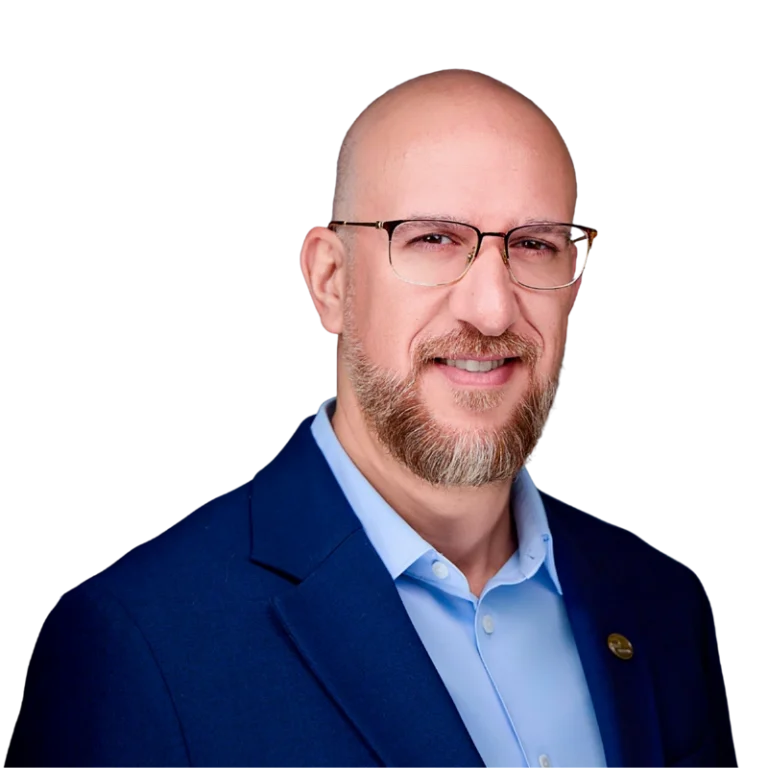
Dr. Ahmed Ballo
BDS, EDA, DABOI, MSc, Cert. Prostho, PhD
Board-Certified Specialist in Prosthodontics in Canada and Diplomate of the American Board of Oral Implantology, with extensive experience in prosthodontics and implant dentistry.
View Profile

Prosthodontics is the restoration of damaged teeth and the replacement of missing ones — crowns, veneers, bridges, implant restorations and full-arch prostheses. At Apple Dental Specialists, Dr. Ahmed Ballo brings advanced prosthodontic expertise to this work, and it is coordinated with implant surgery and complex rehabilitation from the outset, because in those cases the final restoration has to be decided before the surgery that supports it.
Prosthodontics deals with what teeth look like and what they have to do, and it spans a wide range. At one end, restoring a single damaged tooth with a crown, or improving the appearance of front teeth with veneers. In the middle, replacing missing teeth with bridges, implant crowns or partial prostheses. At the other end, full-mouth rehabilitation — rebuilding an entire bite where wear, failure of old work, or long-term tooth loss has left nothing stable to build on. What unites them is that every restoration has to survive the forces of a functioning bite for years, which is why the planning matters as much as the work at the chair.
In any case involving implants, the surgery exists to serve the restoration — never the other way round. An implant is not placed where the bone happens to be most convenient; it is placed where the final tooth needs to emerge for the result to function, clean properly and look right. Getting that wrong produces implants that are integrated, stable and in the wrong position, which is a far harder problem to solve than a graft would have been. This is the practical reason surgical and prosthodontic expertise belong together from the first appointment: Dr. Ali Mehdi and Dr. Ahmed Ballo plan these cases as one process rather than handing them between two practices at the midpoint.
A single crown begins with establishing whether there is enough sound tooth structure to hold one — sometimes crown lengthening is needed first, and sometimes the honest answer is that an implant is more predictable. Veneers are a conservative option for front teeth where the underlying tooth is largely sound and the issue is shape, colour or alignment; they are not a solution for heavily broken-down teeth. Bridges and implant crowns replace missing teeth with different trade-offs for the teeth either side. Full-arch work is a different category again, involving bite, facial proportions and speech as much as the teeth themselves. Which of these applies is determined by what is actually there, not by what was asked for.
There is no single best material, only a best fit for a given position and a given bite. The decision balances strength against appearance, how much tooth has to be removed to accommodate it, how it behaves against the opposing teeth, and whether the patient grinds. A material that looks superb in the front of the mouth may be the wrong choice on a molar carrying heavy load, and the strongest option is not always the most conservative one. You should expect the choice to be explained in terms of your case — what it is being asked to do and what the alternatives would trade away — rather than presented as a menu of tiers.
Restorations are durable but not permanent, and it is more useful to plan for that than to be surprised by it. How long any piece of work lasts depends on the health of the tooth or implant beneath it, daily cleaning around its margins, the forces it carries, and whether grinding is controlled — a nightguard is frequently part of protecting significant restorative work. On implant restorations it is worth understanding that the crown or prosthesis and the implant are separate components: the restoration can need repair or replacement over the years while the implant beneath it remains entirely sound. Regular review lets small problems be addressed before they become large ones.
Crowns for damaged or root-treated teeth, veneers for front teeth where the tooth is largely sound, bridges, implant crowns and implant bridges, implant-supported and conventional dentures, full-arch fixed prostheses, and full-mouth rehabilitation where wear or failing previous work has destabilised the bite.
A planning consultation sets out what the final result should be before any treatment starts — which, in cases involving implants, is the difference between a plan and a sequence of appointments.
All prices in CAD · starting prices
Case dependent
All prices are starting prices and may vary depending on case complexity, treatment requirements, materials and other clinical factors. Final treatment costs are confirmed following consultation and treatment planning. Prices effective September 2026.
The two figures shown are starting points for the most commonly asked-about items. Restorative work varies more than most treatment because the amount of laboratory work, the materials and the number of units differ case by case. Your own plan is quoted in writing before treatment begins.
A single crown, a three-unit bridge and a full arch are different amounts of clinical and laboratory work, and cost scales with that rather than with a flat rate.
Materials differ in laboratory cost as well as in how they perform. The choice is made for the position and the bite, and its cost implication is explained alongside the clinical reasoning.
Crown lengthening, root canal treatment, periodontal treatment or extraction may be needed before a restoration can be placed. These are separate stages with separate costs, set out in the same written plan.
Complex cases involve more stages — diagnostic wax-ups, provisional restorations worn and assessed before the final work is made — and that additional certainty has a cost attached to it.
Plans vary considerably in what they contribute to restorative treatment, and cosmetic work is frequently excluded. We can provide a written treatment plan with procedure codes so you can confirm your own coverage before deciding, and patient financing is available.
BDS, EDA, DABOI, MSc, Cert. Prostho, PhD
Board-Certified Specialist in Prosthodontics in Canada and Diplomate of the American Board of Oral Implantology, with extensive experience in prosthodontics and implant dentistry.
View Profile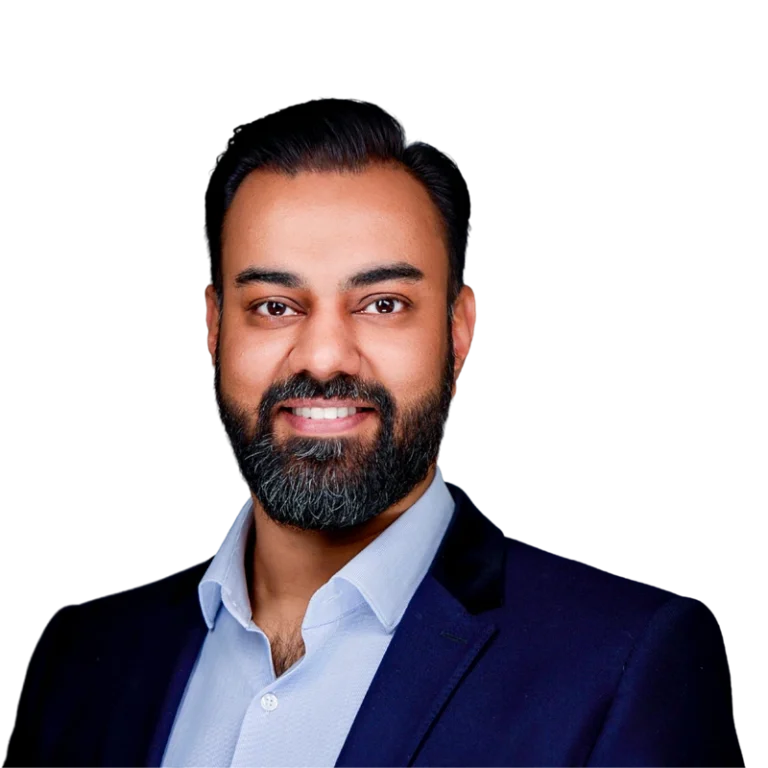
Oral Surgery and Implants
Dr. Ali Mehdi brings over 15 years of experience in oral and implant surgery, with a focus on advanced implant dentistry and complex full-mouth rehabilitation. From routine oral surgery to advanced bone grafting and full-arch implant treatment, his approach combines surgical experience, digital technology, and individualized care.
View Profile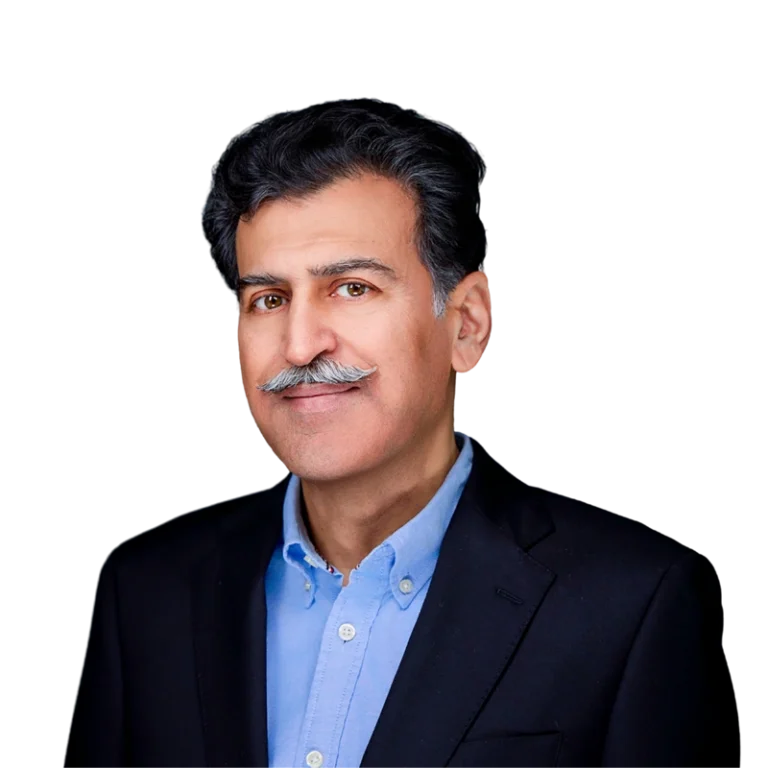
General Dentist │ MSc in Periodontics
General dentist with a Master of Science in Periodontics, prior Assistant Professor experience and clinical interests in periodontal treatment, implants and family dentistry.
View Profile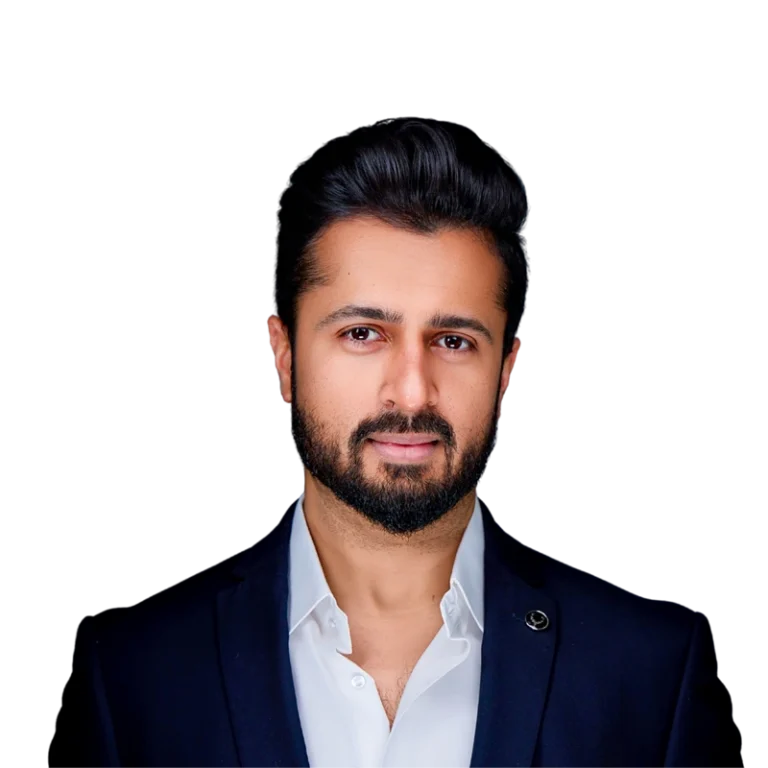
Dentist
Dentist with a Master's degree completed in Australia, focused on ethical, personalized care and helping patients make informed decisions about treatment.
View ProfileVeneers start at $1,200 per tooth. The final figure depends on the material selected, the number of teeth being treated and any preparatory work required, and is confirmed in writing after consultation and planning.
Implant crowns start at $1,299. That is the restoration placed onto an implant; the implant placement itself is a separate stage with its own cost, and both are set out together in the treatment plan.
Prosthodontics is the area of dentistry concerned with restoring damaged teeth and replacing missing ones, particularly in complex cases where the bite, appearance and long-term function all have to be planned together. At Apple Dental Specialists, Dr. Ahmed Ballo brings advanced prosthodontic expertise to this work.
Veneers suit front teeth that are largely sound where the issue is shape, colour or minor alignment. They are not a solution for heavily broken-down teeth, which generally need crowns, and they are not a substitute for orthodontics where the alignment problem is significant.
Both are durable rather than permanent. Longevity depends on the health of the tooth beneath, cleaning around the margins, the forces they carry and whether grinding is controlled — a nightguard is often part of protecting significant restorative work.
Because implant position is dictated by where the final tooth needs to emerge, not by where bone is most convenient. An implant placed without that plan can be perfectly integrated and still in the wrong position, which is considerably harder to resolve afterwards.
Often yes. Assessment establishes why the existing work failed before anything is replaced, because replacing a restoration without addressing the reason it failed tends to produce the same outcome again.
If you grind or clench, it is frequently recommended to protect significant restorative work. Grinding is one of the main causes of restorations chipping or failing early, and it is assessed as part of planning rather than after something breaks.
Coverage varies considerably, and purely cosmetic treatment is frequently excluded altogether. We can provide a written treatment plan with procedure codes so you can confirm your own coverage before deciding, and patient financing is available.
Patients travel to us from White Rock, South Surrey, Surrey, Langley, Delta and across the Fraser Valley for complex restorative and full-arch treatment, and we accept restorative referrals from dentists throughout the Lower Mainland. Our team also speaks Hindi, Punjabi and Urdu.
Book a consultation at Apple Dental Specialists in White Rock. Complex restorative cases are planned around the final result from the first appointment, with the surgical and prosthodontic sides considered together and costs confirmed in writing before treatment.